This is a guest article from Scotty Kober of GoodLittleTraveler, creator of the
Shae By Air DVD Toolkit™. Scotty sent me a copy of the DVD Toolkit to review, and I have to say that I was impressed. We aren't in the habit of watching a lot of DVDs in our home, but I liked the video's straightforward approach. It seemed like a great way to help young children understand exactly what they will experience at the airport. E enjoyed it too, and was fascinated by the segment about young Shae going through airport security.
Scotty's article includes a good reminder to prep kids every time you plan to take a trip. Things change! E is a seasoned flyer, but we started a week before our most recent trip explaining and reiterating to our proud "no diapers during the day" son that he would need to put on a diaper for takeoff and landing.
In situations with traveling infants, parents really only have themselves to prepare. But with toddlers, preschoolers, kindergartners - this is not the case. There is more to flying with toddlers than keeping them entertained and hoping for good behavior on the plane: there are long lines at busy airports, security checkpoint(s), boarding the plane, sitting in confined space that shakes and makes noise (not to mention puts sometimes incredible pressure on little ones' ears) and travel etiquette issues like not kicking the seats in front...
Ideally parents would prepare their child for these things and in this way instead of being carried/strolled/dragged around blindly, the child will know what's to come and what his or her part is, making the journey as exciting as the destination!
But how can a traveling parent prepare a little one to fly?
Small children are very capable of grasping new concepts and understanding boundaries, and most kiddos are pretty adaptable if they know what to expect and what is expected of them. It is of paramount importance that in planning for the trip, the kiddos are included both in the pre-trip process and the journey itself.
I recommend:
-
If possible, go to the airport before your trip with your 3-year-old son who has never been on a plane. Watch the planes take off, notice people queuing up for security - tell him why these things are happening and how soon it will be his turn to stand in the line and board the plane, and take off into the sky. Let him get excited! and then ...
-
Let your child help pack: if you're headed to the beach, ask your 2-year-old what she might want to wear at the ocean. She will answer bathing suit, and she can help you put it in the suitcase.
-
Let children pull their own carry-on bag. It gives you a separate space to pack your child's extra pull-ups, change of clothes, etc. (that doesn't constitute an extra bag since your youngster has his or her own seat) and gives your kiddo a responsibility during the pre-flight process. For most children, having a "job" is a treat and a privilege (just ask a preschool or kindergarten teacher). A toddler who knows he has to get his bag to the airplane will be a little more focused than one whose only responsibility is to follow meekly along behind his parents (boring!).
-
Buy one of the few books/media available that SHOW children what goes on at the airport. Give kids something to relate to. The security checkpoint alone was a source of major fear for my daughter when she was almost two years old. The loud metal doorway with beeping lights and the expectation by serious people in uniforms that she walk through said doorway alone was enough on one trip to reduce her to tears. Couple that with wanding or the air puff room ... if a child doesn't know this is coming, and hasn't been prepared for it such that she isn't scared, parents are setting themselves up for trouble. As Caroline in Dayton, OH, writes at WeJustGotBack.com: "Before our last vacation, my sister, a flight attendant, suggested that I prepare my 3-year-old son for the airport security line. So while we were waiting, I told him that he would have to put his backpack, his stuffed monkey, and his Buzz Lightyear and Woody action figures in a box so that the airport police could take a picture of them. Then he would have to walk through a special magic doorway and he would get everything back right away. Talking about it beforehand really helped to ward off a meltdown when it was time to let go of his most beloved stuff!" Another great idea (this from the moderator at the DisBoards): practice going through the security checkpoint by having your child put his lovey onto the conveyor belt at the grocery store. That would be very similar to the conveyor belt at the airport.
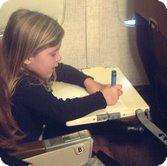
Keep talking to your kiddos throughout every step of the journey! As Debbie here at DeliciousBaby words it: be mindful of things that might be scary for kiddos. Also, it is worth noting that my little one had been flying since infancy, but as children grow and change, things that were once unnoticed can suddenly become very important. So even if your child is flying for the 30th time, it is always worth a mention before and at the airport and on the plane what he or she can expect. That goes for the literal (long lines, delays) and the behavioral: ie, those seatback tray tables (only a parent should open and close them), and the feet (not on the seat in front) as well.
May the skies be clear and the lines be short!
Related Links:
GoodLittleTraveler Blog: What To Do in the Airport with Toddlers When Your Flight is Delayed
DeliciousBaby.com: Breeze Through Airport Security With Kids
WeJustGotBack: Family Travel Tip Sheet: Flying With Kids - Taking care of the air necessities
DisBoards: TSA - how to prepare my son
Filed Under:
flying-with-kids
travel-tips
1 comment |
Posted on July 3, 2008 |
 Save to del.icio.us
My son woke up this morning and begged me to take him to the Boeing Museum of Flight, so I thought I'd feature a picture from a previous visit this week. This huge museum has an amazing collection of historical aircraft (including the original Air Force One). Kids can climb on board several of the airplanes and pretend to fly them, and there is a small play area for young children. My kids also love the mock control tower (though I'm not exactly certain why) that overlooks Boeing field.
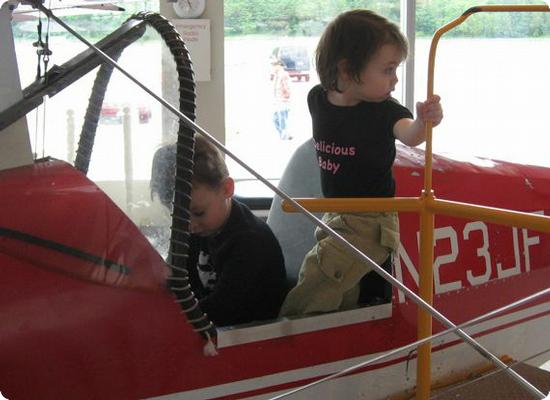
In this picture E and D are climbing into one of the small planes in the children's area. Stairs with handrails make it easy for even young toddlers (like D) to get in and out on their own. The plane's control's still work, and E was absolutely fascinated to see the tail rudder move as he worked the controls.
If you visit, you might also enjoy the opportunity to tour the "Red Barn" the birthplace of Boeing, try your hand at flying in a flight simulator, and perhaps even try a biplane ride (call for schedule).
Related Links
Boeing Museum of Flight
Seattle With Kids
0 comments |
Posted on July 2, 2008 |
Save to del.icio.us
We've just added a new feature to DeliciousBaby that lets you add your favorite kid-friendly activities, restaurants, and hotels to our city guides! This is a great way to share the hidden gems you've found on your own trips or great ideas in your hometown with other parents.
Adding an activity, restaurant, or hotel to our city guide is fast and easy to do. Just tell us its name and why you think it is great for kids. If you have other information (like address, web site or phone number) you can add that too.
After you add your first recommendation, you'll be invited to create an account on DeliciousBaby, and can upload a logo and a link to your own website or blog. They'll appear right at the top of your recommendation just like the picture at the top of this article!
If you have a blog or business, adding high-quality recommendations to DeliciousBaby is a great way to interest our readers in your ideas and your website.
Here's how it works:
-
Click Add Your Favorite on the bottom of any restaurant, hotel or activity section of a city guide. (or just Click Here
-
Fill in a short form asking for information about your recommendation (e.g. name, address, web url, and why you like it)
-
Click "Save"
-
You can create multiple listings, but in order to have them show up
on the site you need to register.
-
Registration is fast and simple, and asks few questions. We promise that we will not publish, sell, or spam your email address.
-
Click on "Your Account" in the upper right hand corner of the page
to add a picture and other profile information
You can even add cities that we don't currently cover, just type in a new city name when you add a listing.
It takes just a few minutes to add a recommendation to our City Guides. I hope you'll give it a try!
0 comments |
Posted on June 30, 2008 |
Save to del.icio.us
Visiting Museums With Kids
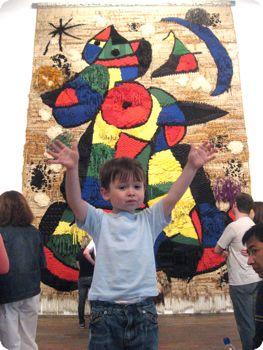
This week there is a good article at DesignMom on a topic I always struggle with: Bringing babies and toddlers to art museums and an article on Slate about Making a Summer Museum Trip Worthwhile. I love art, and it can be challenging to balance my need to see some of the world's great art with the kids needs to just have fun. We had mixed experiences with E at the art museums in Spain. He loved the Miro museum, but he wasn't up for others beyond that. Our
local museum has a great kids play area, and I've been working with my kids on making the art fun. We wander through the galleries slowly on the way to the play area and talk about a few of the different artworks. The kids have gradually gotten more interested in the paintings, and I feel challenged to learn more about the artists that are unfamiliar to me so that I can talk with the kids. I was delighted on our most recent visit when E stood in front of a Jackson Pollak and asked me "where's the ladder." I must be making some headway, but the true test will be our upcoming visit to New Mexico.
Hidden Airline Fees for Families
Here is a great table that lists the costs associated with traveling with kids on 10 of the major UK airlines. Some have flat fees for lap infants while others charge a percentage of the adult fare. It is also important to note which items are subject to checked baggage fees (e.g. stroller, car seat) In addition to costs, safety rules an important consideration. Not all European airlines allow children under two to have their own seat and some do not allow car seats on board, so be sure to check airline policy before booking a seat for your infant or toddler.
Safari With Kids
Vagablond has an article about the children's programs at Shamwari Game Reserve in South Africa. Our pre-kid african safari was one of our most wonderful travel experiences (we spent about 6 weeks between Botswana, Kenya, Tanzania, Namibia and Zimbabwe) and we're looking forward to a time when the kids are old enough that we can experience an African Safari with them. If this is something that appeals to you, note that kids under age 4 are considered too young for game drives, but the resort does offer other activities while you are out on a drive.
Flying With An Autistic Child
In yet another, "child kicked off a plane" story, an American Airlines flight returned to the gate as an Autistic child melted down onboard. While no plane can or should take off with a child out of his seat, I'm saddened to read accounts of flight attendants who just didn't "get it" harassing the young child and his mother.
National Parks
MSNBC says that attendance at national parks is down according to some measures, and the park system is trying to update their offerings to attract more families. When I was a kid, a trip to Yosemite was a hi-light of summer vacation, and I have fond memories of each of the different campgrounds. In college, with no money for foreign destinations, we visited the parks a lot and I went so far as to buy a national parks pass to save money on entrance fees. How about you? Do you plan to take your kids to a national park this summer?
Airport Delays
Here's a great article on what to do in the airport with toddlers
Travel with Teens
I liked this story with hints for traveling with young teenagers
Thank You
Two articles got quite a bit of attention last week:
My article on
Money Saving Tips the Travel Industry Doesn't Want You to Know was written about on many blogs including:
Frommer's,
BraveNewTraveler, GetRichSlowly and Bohemian Revolution
Food Allergies
The first articles in our series on traveling with severe food allergies got a great response. Tips and Advice for Traveling With Severe Food Allergies and Banned From Flying, My Son's Favorite Lunch got tons of attention from parents and organizations who deal with this issue day-to-day. Thank you again to everyone who helped out with this article!
The article was referenced by some very well established sources including FAAN, The Loudoun Allergy Network and Allergy Moms,
There were also some amazing comments from other mom-bloggers.
Here's a quote from True Confessions of an It Girl
"It’s one of the few sources I’ve found for information that gives you the feeling that “yes I can travel on an airplane and my child will survive.”
and another from KidsFoodAllergiesBlog
If you want a good cry, click here.
The Delicious Baby Blog is a great resource for tips on traveling with kids. Though the author’s two children are not food allergic, she writes eloquently about why parents of children *without* food allergies should think twice about bringing peanut butter and jelly sandwiches on airplanes. Gold Star!
as well as a nice write up on
PRMom
0 comments |
Posted on June 29, 2008 |
Save to del.icio.us
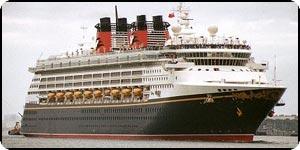
This is a guest article written by Jenny Reed. Jenny is a franchise owner of Cruise Planners and had so many great tips for our article on Traveling With Severe Food Allergies, that I asked her to write an article about Cruising With Severe Allergies. Jenny has over 26 years of family travel experience, her staff plans safe and fun cruises and land vacations worldwide. Her agency does not charge a service fee and she welcomes your questions about travel. She can be reached toll-free at 1-866-532-7526 or Jenny AT OurCruisePlanner DOT com
Traveling with a child with severe food allergies is certainly a challenge, but it needn't consume the vacation. You and your family will be doing a lot of other things besides eating while on vacation. Being prepared is the key. Most of all, you all should have fun!
So let’s talk about planning a family cruise. Cruising is one of the fastest growing family vacation options. From visiting the Caribbean to sailing a river in Europe, the possibilities are endless.
The major cruises lines allow special dietary requests including food allergies. Each has a medical form parents will fill out with the specifics at least 40 days prior to sailing. Special requests can be made for food if the cruise line is given advance notice. The cruise lines will try to accommodate the needs of their passengers and the parents can ask diligent questions as well. The general rule is not to assume anything.
Here are several of the many cruise lines that accommodate special needs requests for food allergies:
Carnival Cruise Line, Celebrity Cruises, Royal Caribbean, Holland America, Princess Cruises, Disney Cruise Line.
Be sure to choose a cruise line such as these that offer traditional dining with set times so you can get to know the waiter, chef and staff.
Questions to ask before booking a cruise
- Is there a medical staff onboard and what are the clinic hours? Is the staff trained in first aid?
- What paperwork do I need submit prior to the cruise and how far in advance?
- Can I ask questions directly to the chef regarding ingredients of a prepared dish?
- What additional medical information is required by the cruise line?
- Is the children’s program staffed with counselors knowledgeable of food allergies?
What to Bring
-
Check prescriptions prior to traveling. Discuss travel plans ahead of time with your allergist to be sure you have all the medicines you need, from antihistamines and inhalers to epinephrine injectors. Don't plan to rely on local pharmacies for your prescriptions — medications may not be the same overseas. Instead, take your meds with you.
-
Carry hand wipes. Washing your child’s hands frequently is a great way to prevent accidentally coming into contact with allergens.
-
If your child requires an epinephrine auto-injector, or other prescription medication, be sure that the pharmacy label is attached, and that the name matches the passenger's identification. Carry a letter from your doctor that explains the need for this medication. Call the airline ahead of time if flying to your destination to confirm the procedures for security.
-
A cruise cabin often has a small refrigerator and plenty of storage so you may be able to bring along safe snacks as well. Be sure to confirm exactly what you will be bringing with the cruise line as they will be aware of customs regulations or other rules that might impact what you can bring.
-
Take with you the names and phone numbers of all of your child’s physicians along with any other pertinent medical information including all medications and allergies.
-
Purchase travel medical insurance from your travel agency at the time the deposit is made for the cruise particularly if planning to travel outside the United States.
What to expect on board
Upon boarding go see the Maitre'D at the main dining room to introduce yourself, make sure the allergies are noted in their dining system and to become familiar with where your family will be seated in the dining room.
You can specifically ask for the ingredients or how a dish is prepared from the chef on most cruise lines. Some parents carry business cards or even translation cards if traveling to a foreign country explaining their child's allergy and listing foods that could trigger a reaction. You can ask the server to deliver a card to the chef as an extra precautionary measure.
For the most part, the food on cruise ships is prepared in the large galleys so being diligent about cross contamination and asking lots of questions is the key. Many ships do offer cook to order meals with some prepared right in front of you which offers a better look at how the food is cooked and what ingredients are used.
Keep in mind that just telling one person does not insure that everyone in the chain at the dining room knows of your child’s special needs. Don't hesitate to repeat your child’s special needs or conditions as often as necessary. Parents should never feel like they can’t ask questions!
Try to take all of the meals in the main dining room so that the wait staff can be of more assistance with your child’s allergies. It is not advisable to eat in the buffet area, as the ingredients are not readily available and cross contamination is more certain.
Each night you can request the menu for the next day so that you can go over it with the Maitre D or Chef if necessary.
With a child who will be in the Children's program, attend the meeting on the first day to meet the youth counselors. Advise them of the food allergies and give them a copy of special dietary needs form as well. If you do not want them to give your child food if you are not present please discuss this with them.
Finding an Agent
An expert cruise travel agent can assist you with all steps of the planning your trip including ensuring all paperwork regarding your child’s allergies is on file with the cruise line. Using an agent does not have to cost you extra, and you should seek an agent that does not charge a service fee and puts customer service first.
Conclusion
Having severe food allergies should not limit a family’s ability to travel. You already know how to manage your child’s food allergies — you do it every day. The strategies that help you cope at home can work well on trips too. With the right preparation, the advice of a good travel agent who has experience working with food allergies, and the mindset of having a good time, fun family travel is certainly possible! Bon Voyage!
Related Links
DeliciousBaby: Why Parents Should Care About Kids With Severe Food Allergies
DeliciousBaby: Tips and Advice for Travel With Severe Food Allergies
Food Allergy Translation Cards
AllergyKids.com
FoodAllergy.org
Filed Under:
allergies
cruising
travel-health
travel-tips
1 comment |
Posted on June 27, 2008 |
Save to del.icio.us
Today Arthur Frommer, the head of Frommer's Travel Guides and the original budget travel guide to Europe, "Europe on $5 a Day" wrote about my article, Money Saving Tips the Travel Industry Doesn't Want You To Know. It's thrilling to have one of the foremost authorities on budget travel write that some of our tips are "quite novel" and "have never occurred to [him]."
Here is a link to Mr. Frommer's article Two Great Guest Tips for Reducing Travel Costs are Making their Debut Appearance in Today's Blog. If you've never read Arthur Frommer's blog, I recommend that you check it out. It is a fantastic resource for up-to-date budget travel ideas and trends.
About DeliciousBaby
DeliciousBaby is about Traveling with Young Kids. We have lots of tips and helpful advice to make your family vacation easier and more enjoyable. Our family friendly city guides are packed with kid friendly activities, restaurants, and hotels that grown ups will enjoy too. If you are new to DeliciousBaby, you might want to check out some of our other useful links and resources:
Subscribe to DeliciousBaby for Free
We have some great articles, giveaways and announcements coming up in the next few weeks. I'd like to invite you to subscribe to this blog so that you don't miss a thing.
To subscribe by RSS or Email, click the "RSS" button at the bottom of this post or in the right hand column on our home page.
0 comments |
Posted on June 26, 2008 |
Save to del.icio.us
Last week the kids and I had a rare day with no scheduled commitments, and I decided to take both kids out to see their first big waterfall.
While Seattle (our hometown)
isn't exactly a concrete jungle, I'm always mindful of the fact that my kids don't often get the opportunity to see native Washington landscape or where their food comes from first hand. We're lucky that Seattle is surrounded by beautiful natural scenery, and working farmland. We don't have to drive too far to connect with nature.
Snoqualmie falls, a beautiful 270 foot waterfall, is located about 30 miles outside of Seattle. As you cross Lake Washington and head east, the scenery becomes more and more natural. D napped in the car while E and I chattered about seeing fewer houses and more trees. When we pulled off the freeway, I found out that the previously undeveloped area around the falls had become home to hundreds of tract homes! That's something else E hasn't seen a lot of either, and since the Virginia Lee Burton's classic story, "The Little House " has been a favorite in our home lately, we pulled into one of the tracts and drove around. We talked about how the trees had been cut down, roads had been built, and the houses had been built out in the country, just like in the story, and then we made a point of noticing some "country houses" as we headed towards the falls.
I'd be painting an unrealistic picture of a typical Seattle daytrip if I didn't share the fact that the weather got wetter and wetter as we headed towards the falls. We were lucky that the rain let up as we arrived, but it was still very misty, and both kids got their rain gear on to view the falls. We took a quick trip up to the observation deck, where the spray from the waterfall made us even wetter. During the summertime, a hike down to the base of the waterfall would have delivered the perfect picnic spot at the edge of the river, but instead the un-June-like weather sent us back to the car in a hurry.
Luckily, Salish Lodge, an upscale resort next to the falls, has a bistro overlooking the falls. We walked in just as they opened, and E chose the table with the best view of the falls just for us. On a normal day, corralling my two small kids in a nice restaurant by myself might have been challenging, and I worried about how we'd all do. My worry was unfounded. The "Attic Bistro" had a kids menu, hot chocolate, and high-chairs. My kids were so delighted by the chance to watch the waterfall from the warmth of the restaurant that they asked me to stay after I had finished my own meal (a smoked bacon and frisee salad with a cup of smoked salmon chowder). E, who has entered the age of "Why" seemingly had hundreds of questions about the river and the waterfall.
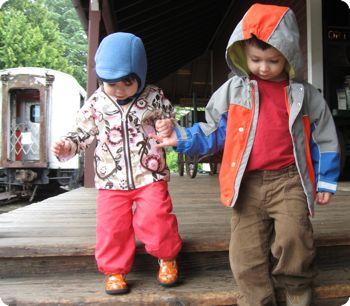
After lunch, we drove a few minutes to sleepy North Bend's historic downtown. Made famous by David Lynch's Twin Peaks. The town's highlight for kids is the Northwest Railway Museum with its old luggage room and lots of (not-for-climbing) railway cars lined up along the old railroad tracks. On weekends (schedules change frequently, so call for details) the museum runs one of the historic trains to Snoqualmie and back. The kids enjoyed looking at the old railroad cars even though they were too young to appreciate the detailed plaques that described each one. Midway through a delightful day, E was feeling so affectionate towards his little sister that he helped her walk up and down the wooden stairs outside the museum until even she finally tired of practicing her stair skills (pictured).
After visiting the trains, we took a quick walk down the town's main street. North Bend is touristed just enough to have old fashioned mom & pop shops along its main drag that are interesting, but not upscale. First on my list was the Snoqualmie Falls Candy Factory, a small cafe where you can watch through glass windows as empoyees make caramel corn, fudge, or salt water taffy. We also wandered into the "La Chichinita Mexican Store." I'm always a sucker for Mexican pastry, and we picked up a few of the sweet treats to take home. I hustled the kids back to the car before they noticed the small toystore also located on the main drag.
We wound our way along country roads, back home to Seattle, passing cows and horses on the way. Both kids drifted happily off to sleep, and I ended with some well deserved peace and quiet once we arrived home. I expect we'll visit again this summer, when the weather is better. Perhaps we will even work in a short hike along Rattlesnake Lake or explore the base of Mt Si. If the kids are really in a good mood, we might even score some bargains at the North Bend Premium Outlets
Related Links:
Seattle With Kids
3 comments |
Posted on June 26, 2008 |
Save to del.icio.us
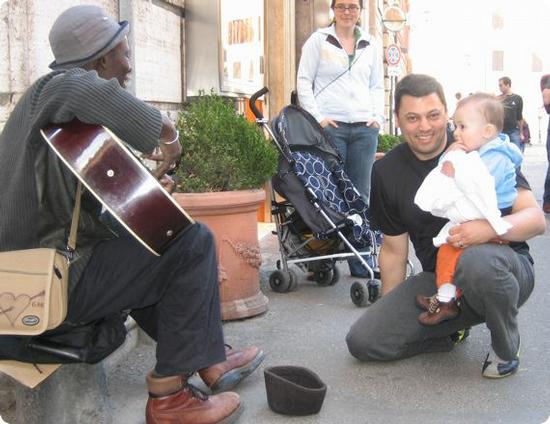
One of our favorite things about Rome is the fact that you might find live music around any corner. Back in the days when we were busy childless travelers, we would have rushed by. On this trip, E was thrilled about all the different voices and instruments and always made us stop and listen to a few songs. I think our trip to Rome was richer as a result
Related Links:
Rome With Kids
Changing Your Vacation Expectations
1 comment |
Posted on June 25, 2008 |
Save to del.icio.us
Parents often complain about how tough it is to travel with young kids, but traveling with a child who
has severe allergies is even harder. Not only does the parent
need to bring along all the food the child will need, but with very severe allergies, even sitting near someone who is eating an allergen can be dangerous. To make matters worse, Airlines,
Flight Attendants and other passengers aren't always sensitive to
special needs. While I don't have firsthand experience with this
issue, I asked for feedback from parents, doctors and travel professionals about
this issue, and I was delighted to get tons of real-world advice from people who have experience visiting destinations as far-reaching as France and Morocco with their children. Here is the first in the series of articles I will publish based on that research... their best tips for traveling with children who have life threatening food allergies:
Check The Airline Policy
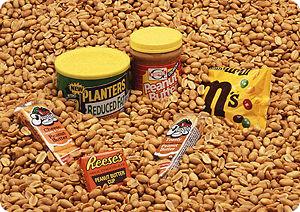
Each airline's policy with regards to tree nuts and peanuts is different. For example, Southwest will serve pretzels instead of peanuts if you notify them of an allergy. Some airlines still serve peanuts as a snack, but a few will help you set up a peanut free zone around
your child by moving passengers who had planned to eat nuts on the
flight and serving non-nut snacks in that area. Other airlines do not serve peanuts, but may serve tree nuts or items that contain tree nuts or peanuts. No airline can promise a nut-free flight because of the possibility that other passengers will bring nuts on board.
Decide what level of assistance you need before you book your flights. Many airlines post their policy on their website, usually in a section called "Special Needs." As an example, here is a link to Delta's policy. Another good starting place is
FAAN's travel page which lists information about several US carriers. When in doubt, call the airline, and ask them to fax or mail you a written copy of their policy.
Inform The Airline
If you will need help from airline staff, call ahead when you book
your tickets, and inform them about the allergy. Keep a record of all correspondence, and whenever possible have them fax or email you their response (It's good to keep a printed copy of airline policy too). You should call
again the day before the flight and bring the issue up again when you
check in at the gate. Despite all this checking, you may find that there has been a mixup with the snacks available on the plane, so talk to the first flight attendant you see (before the doors have closed) and make sure that they'll be able to honor your requests.
Don't Be Afraid To Help Yourself
It's nice to have a flight attendant's help if you need to, for example, set up a nut free zone around your child, but there's nothing wrong with politely explaining your situation to the passengers near you and asking that they either eat something different or trade seats with someone further away.
A nice way to help things along is to bring extra non-allergic snacks. Affix a note to each one that says "Hi, my name is and I have a life threatening allergy to . I hope you will enjoy this snack instead of one that might make me sick." Some travelers also recommended getting airline scrip that other passengers can use as a "gift certificate" to buy a drink on-board.
I also liked the idea of giving the situation some levity by dressing your child in a cute shirt from Jeeto's Allergy Collection. What a great way to make other passengers think twice before handing your child a snack!
Bring Your Own Food
For long flights, many airlines provide allergy-sensitive meals. However, if your child has a severe allergy, it's less risky to serve your own food instead (you never know about cross-contamination in airport kitchens). On shorter flights (and during flight delays), the snacks you bring might be the only thing available for your child to eat.
Be careful that the food you bring onboard a flight does not include liquids and gels in excess of the amount allowed by TSA. You'll also want to avoid common standbys like oatmeal and dehydrated noodles onboard because Airline tap water, even when it's piping hot, isn't safe to drink
You'll have to forgo those freezer gel-packs too (except when used to keep medicine cold), but you can pack food in insulated carriers and ask for ice at a concession stand before you board your plane.
If your child can only drink an alternative milk, you can try bringing it through security with a doctor's note. There is no official policy on soy milk, but along with the doctor's note and a polite explaination most TSA officers would probably consider it "baby milk" or "medically necessary." Also, remember that Starbucks, some Smoothie places, and many other coffee shops sell soy milk after you have cleared security.
If you expect that it will be difficult to find the foods you need at your destination, pack shelf-stable items in your checked bag, or ship a box of safe foods ahead to your destination. Most hotels and rental homes will accept deliveries that arrive before you do as long as you have a confirmed reservation. Shipping can be cheaper than you think, one mom told me that when she traveled to Spain last year, she shipped whole box for about $45. For her, it was worth every penny.
Carry On The Meds
Bring any medication you need (including Benadryl) in your carry on bag to avoid having it lost or damaged in transit. Before you pack, carefully check the expiration dates and quantity of each container. Make sure that you have a doctor's note as well as the prescription label from the pharmacy or original packaging. Medications do not need to fit in a regulation sized ziplock, but do place everything in a large, clear bag so that it is easy to show at the security checkpoint. If you are traveling outside of the country, it can be useful to bring along copies of your prescriptions too.
The FAAN website has a helpful sample doctor's letter You can also find the latest TSA regulations at TSA: Traveling With A Medical Condition
Isolate Your Child
A middle seat between parents or a window seat can keep a nut-allergic
child away from someone who is eating food that might harm her. Want
to keep more distance? Before you board, ask the flight attendants to
help you set up a nut-free zone around your seat.
Clean Up
It's no secret that short turnaround times make it difficult for
cleaning crews to thoroughly clean the plane between flights. Wipe
down the seat and tray table with baby wipes before your child sits
down to ensure that all the peanut oil is gone. Check the floor around your seat and any areas (e.g. between seat cushions) that you think your curious child might explore). Still worried? You can cover the seat with a beach towel or a lightweight beach sarong.
One mom also recommend taking flights early in the day because the plane will have had a more thorough cleaning during the night.
Eating At Your Destination
Most families have a routine that works when they want to eat out, but traveling out of town or in a foreign country brings new challenges.
- At your destination, rent a hotel with a kitchenette, or better yet an apartment. That way you can shop at local markets and prepare safe, nutritious meals for your allergic child before you head out for the day. Apartments also have more space (usually) than hotel rooms, and we always think that they are a great bet for traveling families. If you've never rented an apartment before, here are some Tips for Choosing A Vacation Rental
-
Several people told me that they use a printed Chef Card that tells the chef what foods the child is allergic to. Some parents paste a picture of the food onto the card or have it translated into whatever languages they
will need on their trip. SelectWisley also sells international versions of chef cards with language translations you select. Keep one laminated copy of the card in your wallet and consider having additional (non-laminated) copies that can be sent back to the kitchen.
- When my family travels, we often make friends with restaurant owners and find ourselves back in the kitchen learning how they make a few local dishes. It's a fine line between being welcomed into someone's kitchen and intruding, but if you are staying in one place for a while it can be worthwhile to get to know the local restaurant and bakery owners. You never know what allergen-free snack you might turn up, and it is also a great way to learn more about the local culture and food.
- Many chain restaurants list their allergen info online. You can print out information about the restaurants you plan to visit on your information and bring it with you on your trip (or make notes about what dishes are safe at each restaurant). AllergyKidConnection has a list of popular restaurant chains and links to the allergy information on their websites.
-
Some child friendly theme parks and resorts
include menu items that are specially prepared and packaged to be
allergy free, and some even have nutritional coordinators you can contact ahead of time. Others may not have menus that accommodate allergies, but will allow food to be brought in to the park for an allergic child. Call ahead to find out exactly what the policy is at the park you will be visiting. Several parents specifically mentioned experiences where Disney did a wonderful job of accommodating children with allergies.
-
One mom recommended ordering nut-free, dairy-free, egg-free pastries from a company called Divvies who will deliver the treats to your destination. Their cupcakes look delicious.
-
Pasta is a popular choice for kids with severe food allergies, but there are two things you should watch out for: 1) better restaurants often use fresh pasta made with egg. If your child has an egg allergy, be sure to ask what the pasta ingredients are. 2) restaurants often speed things up by using the same boiling water over and over to cook different dishes, and the risk of cross contamination is high. If you are ordering something that will be boiled, be sure to ask for new boiling water.
-
Don't assume that all versions of a packaged product have the same ingredients. For example, some hot dogs have egg in them and some sorbets have dairy. When in doubt, check the label or ask the wait staff for help.
Don't Forget the Written Documents and Translations
Before you go, create an Emergency Contact Sheet with all the information you might need to contact someone back home, medical records, and emergency contact information at your destination. Ask your doctor to help you find the name of a pediatric allergist at your destination. Keep a copy with you and a backup copy at your hotel.
If you plan to leave your child in someone else's care during your vacation (including at a resort's activity area), bring along written forms describing allergies, treatments and precautions. Need help? Forms4Parents sells a set of forms that can be used for this purpose, or you can make your own.
If you are traveling to a country where English is not the first language, be sure to bring written translations of any important information you want to communicate. You will also want to bring the translated names of any ingredients you need to avoid. Automated tools like Google Translate work great for single words and simple phrases, but for anything longer you'll want to get a human translation.
In addition to "Chef Cards," you will also want to make sure that you can communicate the right information right away if your child has an allergic reaction. Carry a written card that says "I have just eaten and I need you to call an ambulance right now. This is a medical emergency. I will become extremely ill and may die if there is a delay in getting medical help."
Make sure that you understand what your health insurance covers (and does not cover) when you travel. If you are visiting a remote location, for example, you might consider evacuation insurance. If you think there is a risk that health issues might cause you to miss part of your trip, travel insurance might be a good idea.
Get A Cell Phone
Make arrangements before you go to unlock your cell phone for international use or rent a phone at your destination. You will be more comfortable knowing that you always have a phone nearby, and having a cell phone makes it easy to coordinate when the family splits up.
Make Your Voice Heard
Many businesses, airlines, etc do not realize how much business they are losing by turning away customers with allergies. Don't be afraid to let them know with a polite phone call or letter. If you feel that you have been discriminated against, you can also file a complaint with the Aviation Consumer Protection Division
You might be more likely to get a real response than you think... One mom told me that after complaining to US Airways they followed up with a personal phone call letting her know when their policy changed.
Please Add Your Comments: If you have tips, advice, or experiences to share about traveling with a child who has severe food allergies, please share them with other parents by adding a comment!
Related Links:
Food Allergy & Anaphylaxis Network (FAAN)
TSA: Traveling With A Medical Condition
DeliciousBaby: Why I Write About Kids With Severe Food Allergies
Food Allergy Initiative
Thank You:
I had a lot of help on this article. I want to thank
Shannon Hutton, M.Ed., M.P.A. of Believer in
Balance, Ellen Gerstein of ConfessionsOfAnITGirl,
Susan Mussaffi of OrganicCottontail,
Paula Werne
from Holiday World, Stephanie Martin, Lois Whittaker at GoodiesForMom, Patrick and Kathy Wilson, Amy Friedman, Jenny Reed of OurCruisePlanner, Erin Geisler, Alice Hohl, Carrie Weir of Bilingual In The Boonies, Tracy Zimmerman, and Sophia Van czaus
Filed Under:
allergies
travel-health
16 comments |
Posted on June 22, 2008 |
Save to del.icio.us
Art installations in public parks are a great way to get some culture when you are traveling with young kids. The extra freedom to run around often means that your kids will actually engage with the artworks that interest them instead of just being mad that they're cooped up inside. I'm not normally a Chihuly fan, but I bet my kids would love this Chihuly Exhibit in Golden Gate Park
Worried about the kids (or yourself) getting motion sickness in your travels this summer? Learn what works in this Gadling article about preventing motion sickness
Headed to Berlin this summer? Jaunted has advice about a fun sandcastle contest that would be a perfect break from the city's tourist attractions. It's a great reminder to always get a list of current events during your trip. You never know what you'll find! Local festivals can be fun for kids, and we always think they are a fun way to interact with locals and a great way to see a new city as a living place rather than a collection of historical monuments and museums.
Over at Intelligent Travel, the Jenss family is about to begin on a year-long around-the-world trip. They'll be blogging regularly on Intelligent Travel, and you can start reading now with this article about Planning a Round-the-World Family Trip
A couple of great (and free) activities if you are visiting
Manhattan with kids this summer. Kayaking in the Hudson River and Bicycle Rental in Lower Manhattan and a map to New York's Best Ice Cream (now that's a tour I can get behind). Check out my own favorite Il Laboratorio Del Gelato
1 comment |
Posted on June 22, 2008 |
Save to del.icio.us